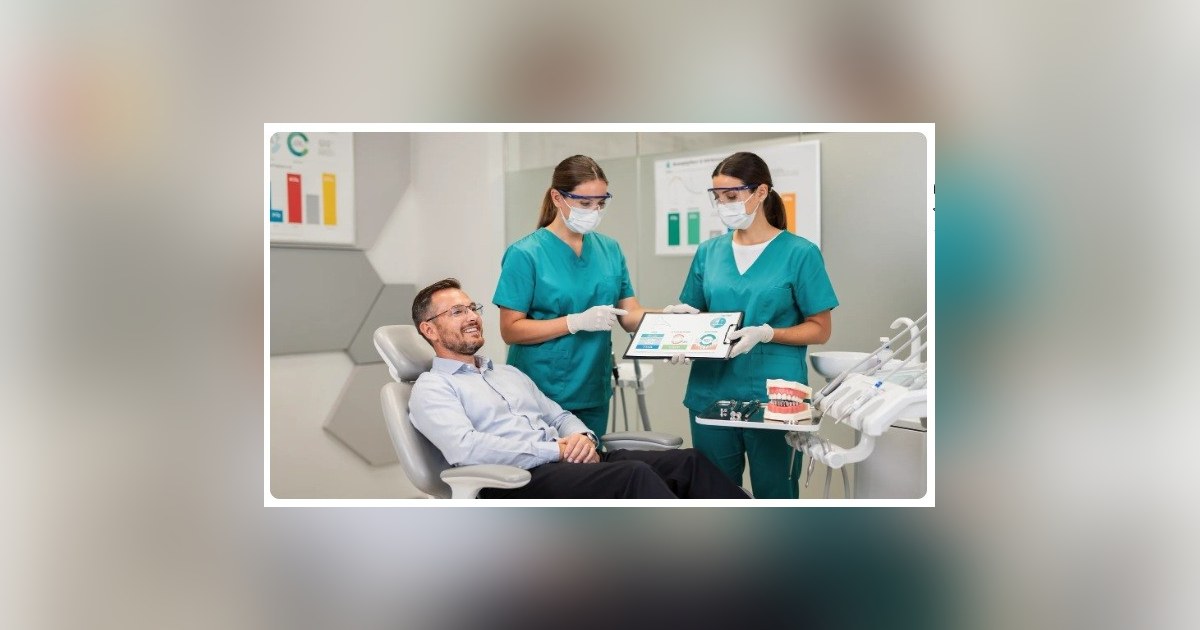
Replacing missing teeth with dental implants is a significant investment, but rising costs and confusing advertisements can make it difficult to know what constitutes a fair price. According to a new guide from Dentist in Tyler - Dentures & Dental Implants, patients seeking Affordable Dental Implants should focus on complete treatment plans rather than the lowest advertised price. The guide emphasizes that understanding what you are paying for, comparing full estimates, and exploring insurance and financing options are key to restoring your smile without overspending.
Dental implant treatment is rarely a single procedure. It often includes an examination, diagnostic imaging, extraction, implant placement, healing time, an abutment, and a final crown or restoration. Some patients may also require additional procedures like bone grafting. This complexity explains Why Dental Implants Can Feel Expensive. The FDA notes that implants can restore chewing ability, appearance, and oral function, while also helping preserve bone. However, comparing one advertised implant price with another can be misleading if one quote includes only the implant fixture and another includes multiple stages of treatment. Therefore, asking for a written estimate that details exactly what is included is essential.
Starting with a complete dental evaluation is one of the most effective ways to control costs. A thorough examination of teeth, gums, jawbone, bite, and overall health can reveal issues that need attention before implant placement. Treating those problems early may create a healthier foundation and reduce unexpected expenses later. Instead of asking only “How much is an implant?” patients should ask, “What will I need from the first appointment through the final restoration?” This provides a realistic picture of the investment.
Every mouth is different, so treatment plans and final prices vary. A clear plan should explain recommended procedures, their purpose, sequence, and estimated costs. When comparing providers, patients should look beyond the initial quote and consider what each price includes—temporary teeth, follow-up appointments, adjustments, and complication care. A lower initial quote can become more expensive if important components are excluded.
Dental insurance may cover some portions of implant-related treatment, but coverage varies widely. Plans may have annual maximums, deductibles, waiting periods, and service limitations. Contacting your insurance provider for a detailed explanation of benefits and requesting a pre-treatment estimate can clarify your expected responsibility. For those without sufficient coverage, financing and in-office payment plans can make treatment more manageable. However, patients should review interest rates, fees, and total repayment amounts before signing any agreement. Staged treatment, when clinically appropriate, can also help align payments with the treatment timeline.
Quality should never be sacrificed for a lower price. The FDA reports that most implant systems are made from titanium or zirconium oxide and are evaluated against safety and performance standards. Patients should ask which implant system is being used and keep that information for their records. Choosing a qualified, experienced provider is equally important. The FDA recommends asking about a dentist's experience with implant procedures and complication rates. Long-term value—considering materials, provider expertise, completeness of the plan, and follow-up care—is a better measure of affordability than the lowest promotional price.
After treatment, maintaining implants with good oral hygiene and regular dental visits is crucial to protect the investment. Ignoring problems can lead to more complicated and costly repairs. Patients should also be wary of deeply discounted implant deals that may exclude necessary services or pressure them into immediate decisions. Asking detailed questions, such as what is included in the quoted price, which implant system will be used, and what follow-up care is provided, shifts the conversation from “How cheap can I get an implant?” to “How can I receive appropriate treatment at a manageable cost?”
Ultimately, affordable dental implants should mean better access to appropriate care, not lower standards. A trustworthy provider should explain options, identify costs, discuss risks, and give patients enough information to make an informed decision. For more information, visit Dentist in Tyler - Dentures & Dental Implants.