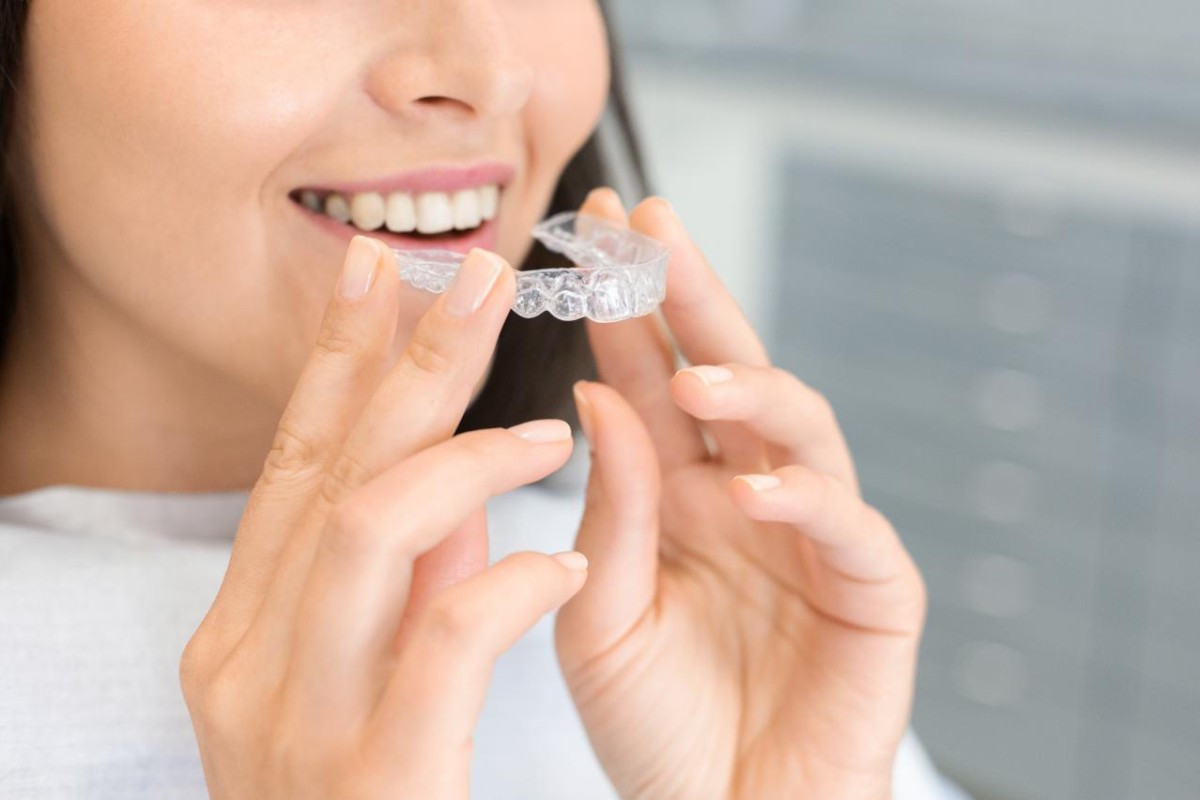
Feldman Orthodontics, serving families in Southington, Meriden, and Hamden, has released a detailed comparison of clear ceramic braces and traditional metal braces. The goal is to help patients understand the key differences before scheduling a consultation at one of their offices in Cheshire, Wallingford, or North Haven. The comparison focuses on six critical factors: appearance, durability, cost, treatment time, daily care, and clinical suitability.
Appearance is often the most immediate difference. Clear ceramic braces use tooth-colored or translucent brackets that blend with the natural shade of enamel, making them far less visible during conversations and photographs. Metal braces, on the other hand, use stainless-steel brackets and wires that remain visible throughout treatment. For patients in middle school, high school, or professional settings who prioritize aesthetics, clear ceramic brackets offer a more discreet option. Metal braces are more straightforward in appearance and have a long track record of effectiveness.
Durability is another important factor. Metal brackets are generally more resistant to chipping and staining than ceramic ones. Because ceramic is slightly more brittle, patients with clear braces are advised to avoid hard or highly pigmented foods and beverages, such as coffee, tea, and dark sauces, which can discolor the brackets or elastic ties. Daily oral hygiene is crucial for both systems, but ceramic brackets can trap plaque more easily if brushing is not consistent. Metal brackets tend to be more forgiving during everyday wear and tear.
Treatment time for both systems is generally comparable for similar case types, though individual clinical details determine the actual duration. Neither system has a universal time advantage. Clear ceramic braces function through the same mechanical principles as metal braces: controlled pressure applied through wires and brackets to move teeth gradually into alignment.
Not every patient is an equal candidate for both options. Metal braces remain the more versatile system, handling a wider range of complex bite corrections, severe crowding, and significant jaw discrepancies. For patients with more involved orthodontic needs, metal brackets may give the clinical team more precise control. Clear ceramic braces are well-suited for patients with mild to moderate alignment issues who prioritize aesthetics, especially older teenagers and adults. The final determination depends on a clinical examination rather than patient preference alone.
Cost is also a consideration. Ceramic braces typically carry a higher fee than metal braces due to the material cost. Families should discuss the specific fee difference during a consultation, as treatment plans vary based on case complexity.
Feldman Orthodontics provides orthodontic treatment for children, teenagers, and adults at offices in Cheshire, Wallingford, and North Haven, Connecticut. They serve patients from surrounding communities including Southington, Meriden, and Hamden, offering both metal and clear ceramic braces alongside clear aligner treatment and other orthodontic appliances. For more information, visit Feldman Orthodontics.