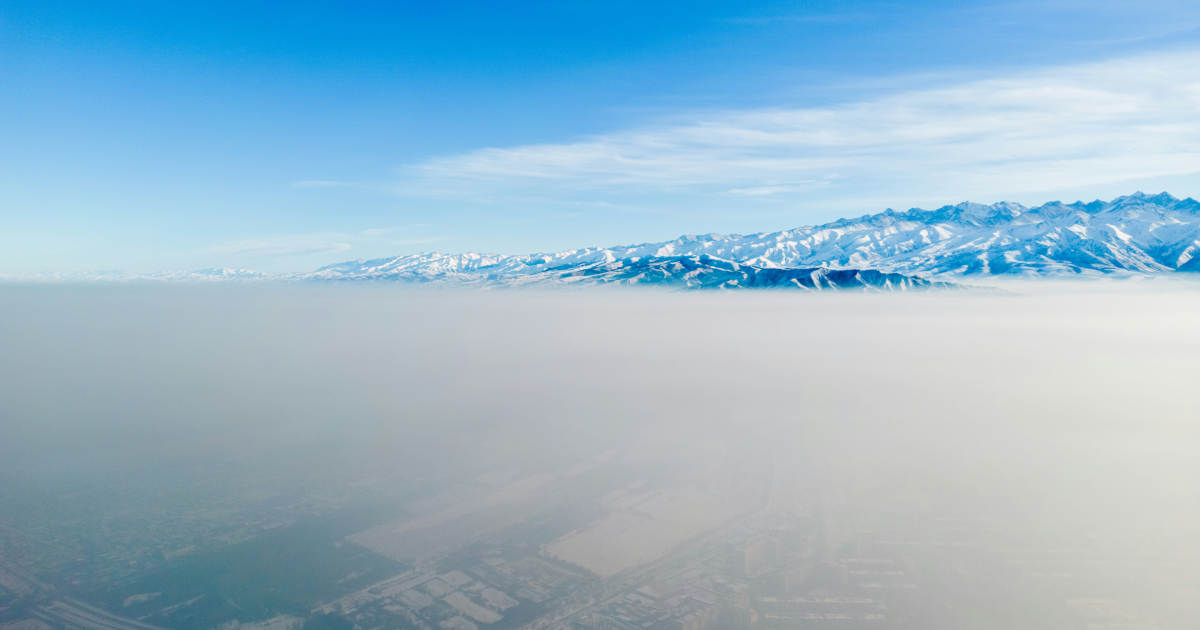
Onshore basins of genuine scale that remain undrilled are increasingly rare. Most of the world’s major hydrocarbon-producing regions have been systematically tested over the past half-century, leaving frontier opportunities concentrated in geographies with challenging logistics, complex permitting, or historically limiting macroeconomic conditions. Where such basins remain, they carry a combination of technical risk and optionality that draws a specific type of investor interest. The Jameson Land Basin in East Greenland, a petroleum basin historically evaluated by a Large Multinational US Petroleum company but never drilled, represents one of the most prominent examples of that profile.
Greenland Energy (NASDAQ: GLND) holds rights to up to 70% working interest across three onshore licenses covering more than 2 million acres in East Greenland’s Jameson Land Basin. The company has contracted Stampede Drilling for Arctic-rated rig services alongside agreements with Halliburton, Desgagnés, and IPT Well Solutions to support its 2026 drilling campaign. This campaign will test a basin that has remained undrilled despite previous interest from major oil companies, potentially unlocking significant hydrocarbon resources in a region with limited exploration history.
The importance of this announcement lies in the rarity of such large undrilled basins. According to industry experts, most onshore basins with potential for commercial hydrocarbons have been tested, making the Jameson Land Basin a unique opportunity. Greenland Energy’s strategy involves leveraging advanced drilling technologies and Arctic-specific expertise to mitigate the logistical and environmental challenges of operating in Greenland. The company’s partnerships with established service providers like Halliburton and Stampede Drilling suggest a methodical approach to exploration, aiming to de-risk the project through careful planning and execution.
Forward-looking statements in the company’s release caution that actual results may differ materially due to risks including operational challenges, regulatory approvals, and commodity price fluctuations. The company’s filings with the SEC, including its Form 10-K and Form 10-Q, detail these risks. Investors are advised to consider these factors when evaluating the investment opportunity. The full terms of use and disclaimers are available on the InvestorBrandNetwork website: http://IBN.fm/Disclaimer. As with any frontier exploration, the outcomes remain uncertain, but the potential rewards attract a specific kind of risk-tolerant investor.
Greenland Energy’s move into the Jameson Land Basin represents a bet on the continued relevance of Arctic hydrocarbon resources in a global energy landscape shifting toward renewables. While the energy transition accelerates, oil and gas remain critical for near-term energy security, and discoveries in such basins could provide long-term supply options. The company’s ability to execute on its 2026 drilling plans will be closely watched by industry observers and investors alike.