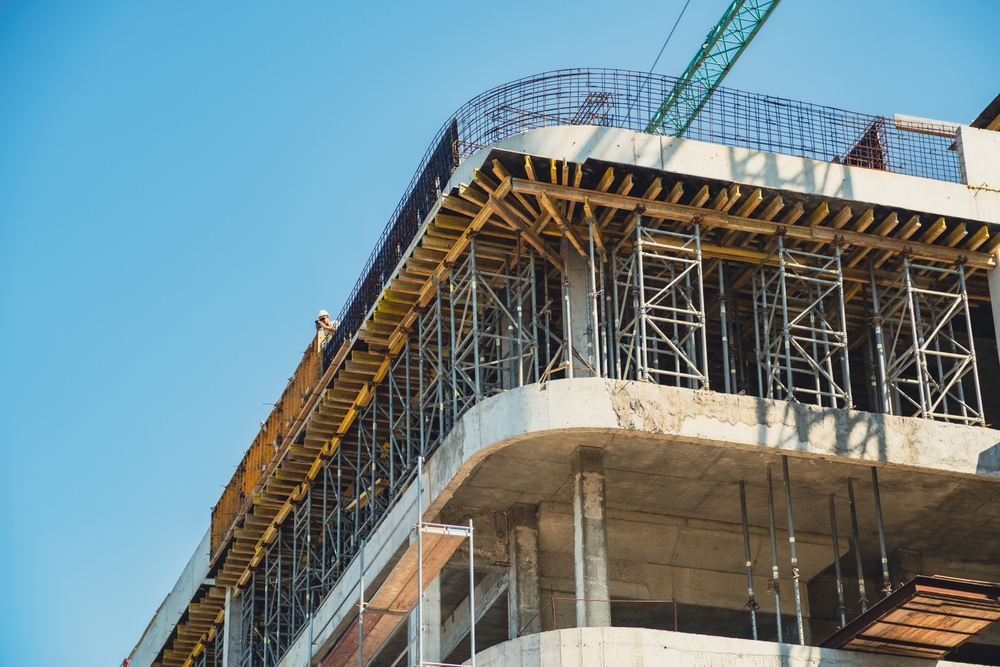
Municipal permitting is the most commonly cited source of commercial construction delays, but according to Mike Marden, a registered architect and licensed general contractor at WDS Architecture in Phoenix, the most damaging delays occur before any documents are filed. Marden identifies two key factors: reliance on generic city advice and the sequential project model that treats permitting as a gate before any construction activity.
One common mistake clients make is treating a conversation with a city counter employee as authoritative guidance. A client might call the city, describe their project in general terms, and receive a response about typical timelines and required documents. However, that response is rarely project-specific. “They often say, ‘We already spoke with someone at the city. They said we just turn in this form and this is roughly the time,’” Marden says. “First of all, that’s not a documented conversation. There is no log number or record. None of that’s official. And everything on the checklist might not even apply.” City employees work from generic scripts, and checklists may include irrelevant requirements while omitting critical ones. Clients who plan around such conversations often discover discrepancies only after entering the review process, causing unexpected delays.
The sequential model—complete design, submit for permits, wait for approval, then build—inherently adds time. During permit review, nothing else happens: the lease clock runs, the contractor stands by, and trade partners are unavailable for other projects. Clients who finish drawings and then search for a contractor add weeks or months before a permit is even filed. “Did you think about the gap where you’re bidding and trying to find a contractor, meanwhile, permits are ready and you’ve signed the lease?” Marden asks.
Professionals who consistently meet timelines do not move faster through the standard process; they compress it. They engage the city early with preliminary questions, understand what specific inspectors require, and begin construction activities that do not require permits while review is underway. At WDS Commercial, “We can start building the project as we’re turning in for a permit,” Marden says. “We’re the contractor, already contracted with the Owner, and have spent months participating in the design. If we are questioned or told to turn in drawings, well, we have already done that because we are also the Architect! We can go right up to first inspection with our work, gaining a month versus waiting on bid results, contracts, permits, and mobilization, losing a month or two.” This parallel approach is possible only when architect and contractor are integrated from the start.
WDS’ dual credentials as both architecture firm and general contractor allow it to mobilize for non-permit activities—staging, layout, scoping, testing, demo, subcontracting, scheduling crews, and ordering materials—while review proceeds. The firm also leverages ongoing relationships with local jurisdictions to develop realistic project-specific expectations. “Over here, where we do this every day, we know what really needs to go in, how long it’s really going to take,” Marden says. WDS engages clients on permitting strategy during site selection, before a lease is signed, to assess how code compliance, jurisdiction rules, and existing conditions will affect timelines. A location that appears cheap may carry permitting complexity that adds months, while a more expensive clean site may deliver a faster opening. “It’s like building a project twice, when dealing with existing conditions, removing what is there so that new material can be installed to meet code,” Marden says. A former restaurant space may require extensive code updates that erase apparent savings.
For business owners planning commercial build-outs in Phoenix, the implication is clear: the expected permitting timeline likely understates reality, and the gap often originates in pre-submission decisions, not city processing speed. Mike Marden is the founder of WDS Architecture and WDS Commercial, a Phoenix-based integrated design-build firm. Learn more at wds.build.