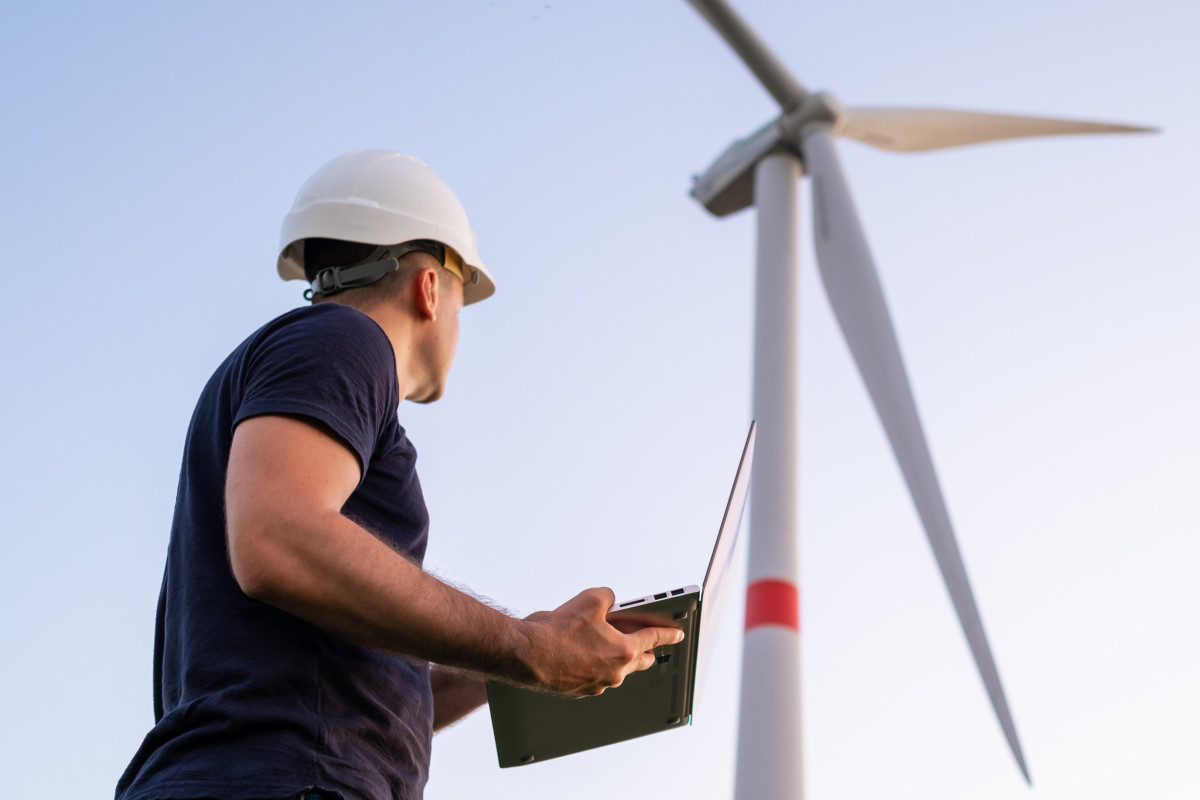
Australia's wind power expansion is creating a surge in demand for skilled workers, and Vinova Wind Energy Recruitment is emerging as a key player in building the country's clean energy workforce. With over 100 wind farms operating and more under development, the need for specialized talent across construction, engineering, and operations is critical. Recruitment firms like Vinova are helping employers navigate this complex landscape by providing targeted hiring strategies and workforce planning.
The workforce requirements for wind energy projects span multiple phases. Early stages require civil engineers, environmental planners, and legal advisors. During construction, demand shifts to crane operators, turbine assembly specialists, and electrical technicians. Once operational, long-term roles in asset management and maintenance become essential. Vinova focuses on aligning candidate qualifications with these evolving needs, ensuring project timelines and sustainability commitments are met.
Wind energy projects are often located in regional areas, complicating workforce planning. Employers must recruit candidates willing to relocate, and recruitment firms coordinate cross-regional hiring to connect urban-based professionals with rural opportunities. This dynamic balances job creation across states and supports workforce mobility. Clean energy employment also grows in urban centers for project planning and engineering roles, creating a national approach to workforce development.
Key roles in high demand include turbine technicians, commissioning engineers, and electrical supervisors, requiring specific certifications and safety training. Non-technical roles like project schedulers and environmental compliance specialists are also essential. Transferable skills from industries such as mining and construction are valued, and recruitment professionals help match these to wind energy needs.
Renewable energy specialists play a critical role in project delivery, bringing advanced technical knowledge to manage variables like weather and regulatory compliance. They often serve as advisors and trainers, improving safety and efficiency. Recruiters identify these specialists early, and they often transition into permanent roles once construction ends.
Workforce planning is crucial for long-term project success. Recruitment firms assist by mapping talent availability and monitoring certification trends. This reduces hiring delays and cost overruns, enabling companies to build talent pools and implement training programs. Challenges include skills shortages and geographic constraints, which recruiters address through proactive outreach and partnerships with training providers.
Safety and certification are paramount in wind energy recruitment. Common certifications include working at heights and high-voltage awareness. Recruiters pre-screen candidates and guide those needing additional training, improving safety outcomes. Diversity and inclusion are also priorities, with efforts to attract underrepresented groups through equitable hiring pathways and inclusive workplaces.
Technology plays an increasing role in energy staffing, with digital platforms matching candidates to roles and analytics forecasting hiring needs. Educational pathways are expanding, with universities and training organizations offering courses in wind energy. Vinova works closely with these institutions to shape programs that align with industry demands, offering internships and apprenticeships.
Vinova's approach to wind energy recruitment is more than filling roles; it's a strategic component of Australia's energy future. Through proactive hiring, training partnerships, and a commitment to inclusion, Vinova is helping deliver safe and efficient clean energy infrastructure. For more information, visit Vinova.